

The Pairodocs have been on a bit about euthanasia recently, but please indulge us. It’s a deep subject - literally life-and-death.
Since my first piece on euthanasia (“MAiD”), and then again since Julie’s more recent piece about extending it to the mentally ill, several interesting issues have bubbled up through comments and discussion. I thought these were worth fleshing out.

Did someone order MAiD service?
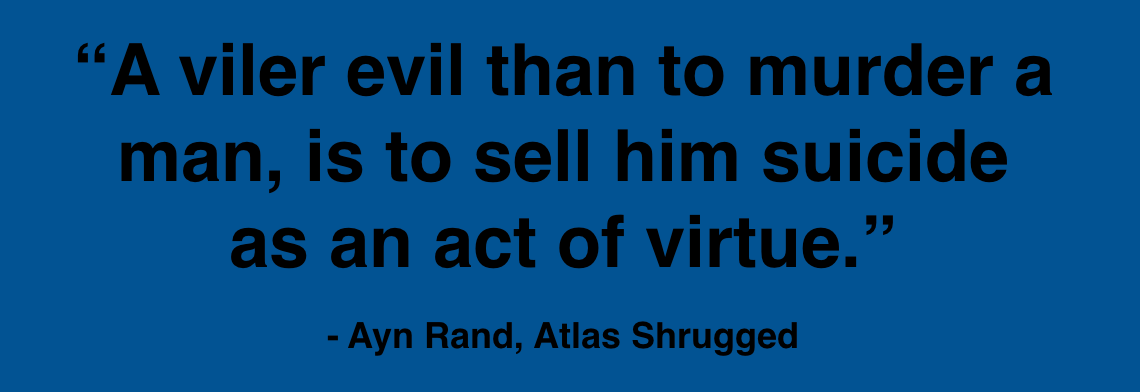
What’s in a name? A lot. MAiD used to be a name for someone who cleans your house. And in the same way that a maid can sanitize your bathroom, the term “MAiD” sanitizes suicide. By coining such a clean and optimistic term, euthanasia proponents seized the linguistic high ground. But despite the obfuscatory name, “MAiD” actually means a person committing suicide (or being suicided). This was until very recently considered an extreme act. Perhaps the single most extreme act there is. At worst, suicide is a mortal sin that prevents that individual from being buried on hallowed ground and leaves his soul in purgatory. Now it’s just a medical procedure.
Euthanasia is not assisted suicide
There is an important distinction between euthanasia and assisted suicide. These terms are often used interchangeably, but are in fact distinct. Euthanasia is passive on behalf of the party being euthanized (with the exception in humans of taking part in the decision to be put down). The hamster that was gasping and suffering was euthanized by a whack from my dad’s shovel before we buried it in our backyard. It wasn’t a case of assisted suicide.
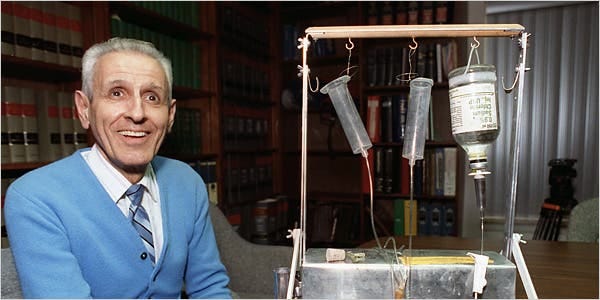
Assisted suicide is a human-specific way to end a life, as lesser life forms can’t ask to be killed. Jack Kevorkian never “killed” anyone, he just set it up so the patient could easily kill himself. With assisted suicide, the doctor or nurse might put in an IV and get the meds ready, or provide the pills in a cup by the bedside, but in the end the patient has to push the plunger or swallow the tablets. Assisted suicide, unlike euthanasia, is an active act.
Far from being a distinction without a difference, assisted suicide is very different philosophically and practically from euthanasia. A very interesting natural experiment has been underway since California legalized assisted suicide at almost the same time that Canada legalized euthanasia. In California, the doctor puts the suicide meds out for you but you have to take them. In Canada, you just lie there and let the doctor perform a “medical procedure”.
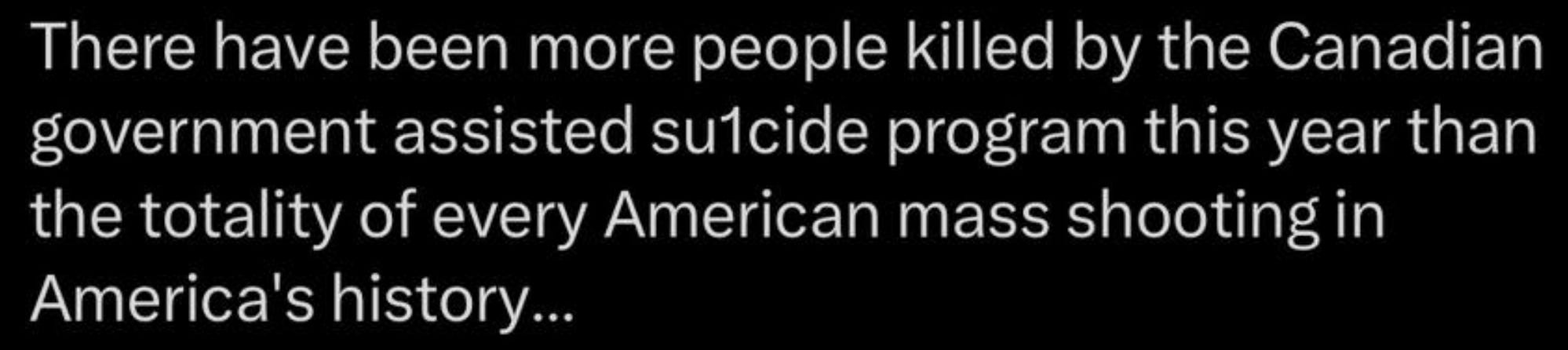
And what a difference it makes. Being euthanized in Canada is about 19 times more common than committing assisted suicide in California.
The euthanasia slope is more slippery than assisted suicide
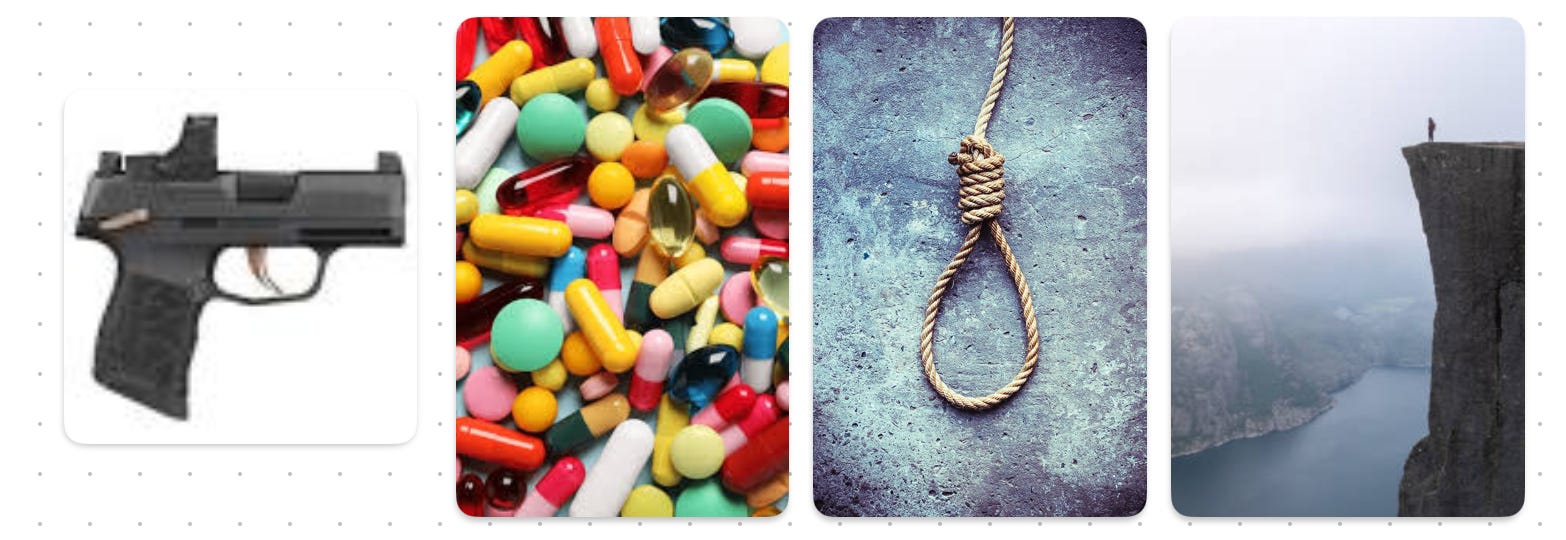
It’s hard to kill yourself. Atheists might recognize this difficulty as the strong evolutionary urge to live. The religious among us might see it more as a recognition that our life is a gift, and ending it by our own hand is a sin against God. Either way, I can’t tell you the number of people I’ve seen in the ER through the years who had stood on the edge of a cliff, stared down the barrel of a gun, tied a rope in a tree, or looked at the cup full of pills and then changed their mind. They deeply felt that suicide was the wrong choice. But when the patient is a passive recipient of “medical care” as with MAiD, this epiphany cannot happen. It’s easy for “MAiD recipients” to think of themselves as having a medical procedure, whereas it is more clear to the person who is required to swallow a lethal overdose – even if it was put on the nightstand by a doctor – that he is committing suicide.

Your right to die is not the same as the state’s obligation to kill you
Another distinction that is important, and that was a source of controversy and misunderstanding amongst commenters on various forums, is the difference between arguing to have the “right to die” versus the need to have a program run by the state and funded by the taxpayer that approves, facilitates, and even performs the killing. There is actually a wide difference between these two arguments. The libertarian dream is freedom of choice, not state-administered and funded programs to control and provide those choices.
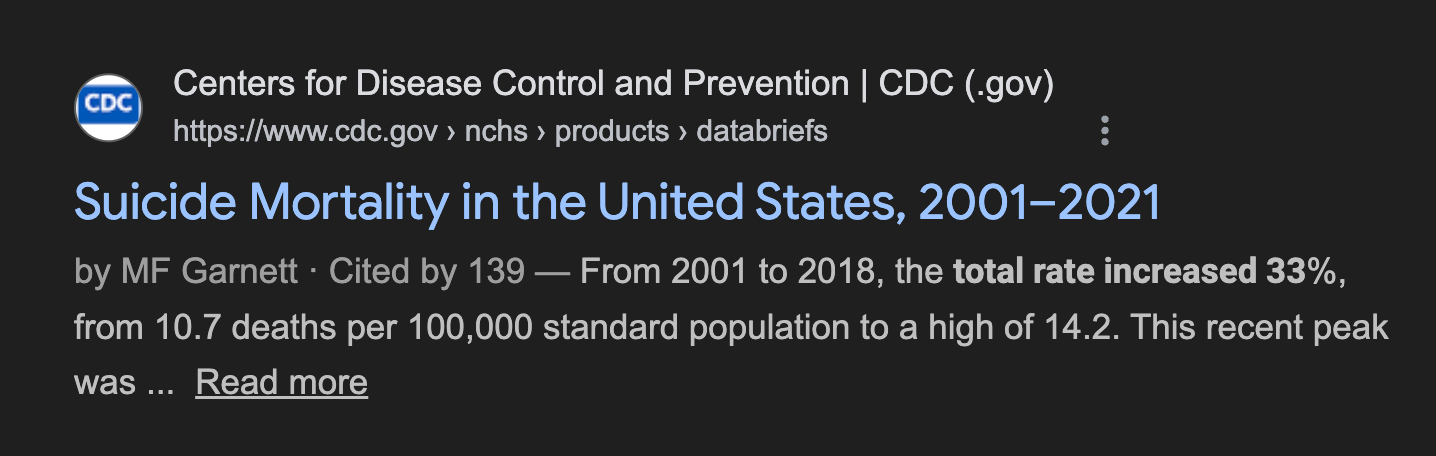
You absolutely have the right to die. You can stop eating and drinking. You can jump off a cliff, shoot yourself in the head, hang yourself, or take pills. Even though I think it is a sin to commit suicide, I can’t stop you in the end even though as a physician - and a human being - I will certainly try to convince you not to. After 27 years in ER, one of “Milburn’s Laws” is “Patients who really want to kill themselves, kill themselves” despite our best efforts to prevent them from doing so. Despite (and some would argue perhaps because of) a proliferation of therapists and counsellors, self-esteem promotion, suicide prevention, “wellness” initiatives and more, suicide rates have increased.
In practice, choosing euthanasia is about hopelessness and not the medical condition
A number of commenters supported euthanasia in people with terrible physical diseases, but felt that we cross a line when we offer it to depressed patients. But in my experience, people who choose to be euthanized always do so because of hopelessness, whether or not we call that hopelessness “mental illness”. The vast majority of those with cancer, dementia or sore joints want to live their lives out to the fullest. They want to spend time with family and friends, see more sunsets and sunrises, play music, write their life story for their grandkids, clean the junk out of their house, finalize their finances, and more. The ones who want the express checkout lane are the ones who feel they have nothing left to live for. It has been said that “He who has a why to live for can bear almost any how.”
So although many commenters on our previous pieces see that euthanizing mentally ill patients has crossed a line, they don’t see that the distinction between hopelessness caused by mental illness and hopelessness caused by physical illness is actually artificial. In my experience, we are already euthanizing depressed people.
And, if one agrees that the criteria for “being approved for MAiD” should be that one’s suffering is intolerable, how can we deny euthanasia to those suffering from mental illness, which in my experience causes suffering at least as severe as those with physical diseases.
Furthermore, in a system where real care is routinely delayed or even unavailable, providing rapid access to suicide services seems doubly immoral. One of my patients with a neurodegenerative disorder faced an 18 month wait to be reassessed by a neurologist, but could talk to a MAiD assessor within 48 hours.
There is no such thing as “necessary suffering” if one believes in suicide
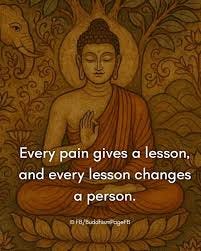
Several commenters said that they supported assisted suicide because it prevented “unnecessary suffering”. But “unnecessary” suffering is a tautology for people who believe in suicide. The Buddhists say it best. “Life is Suffering”. If one lives, one suffers. Life is a sexually transmitted disease with a 100% fatality rate. We all die. And we will all suffer before we do.
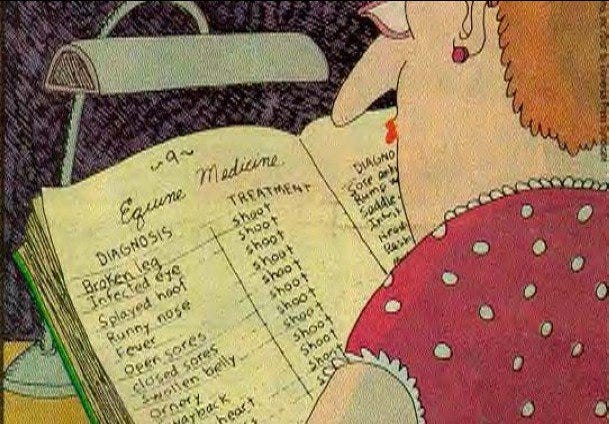
If we believe in preventing unnecessary suffering, the solution to any physical or emotional pain is always clear. Girlfriend breaks up with you? Kill yourself. Wife sleeps around and then leaves you? Kill yourself. Your knees ache every morning for hours? Kill yourself. Every patient I’ve seen choose to be euthanized chose it because of hopelessness, not because of the disease. Well-adjusted people with good relationships, even when they have terrible cancers, ALS or other conditions that cause suffering, want to squeeze every drop out of this precious, short existence that they can.
If you have a painful, progressive cancer but could live another 6 months or year with it, why put up with the pain? Why not end it now? That is what MAiD enthusiasts suggest is most rational. And in a strictly rational sense, it is true: why suffer? It is part of the same rationalism that led the Nazi regime to feel virtuous when euthanizing “useless eaters” such as the disabled. They only suffer anyway, and who would want to live like that, after all?
Overcoming challenge, pain, and grief makes us who we are
We can and do learn to deal with pain. Many people, for instance, will say that they would rather die than be paraplegic or quadriplegic. But it turns out that most paralyzed people learn to live with their injury and find joys in their new life. I have known many people who died of cancer who told me near the end of their life that their time of dying was incredibly meaningful and beautiful. Facing mortality and pain is frightening, but seems to bring appreciation for the beauty and joy in life.
How can we objectively regulate something that is inherently subjective?
The careful attempts to formulate logical and sensible MAiD regulations resulted in gobbledegook. The original legislation demanded that death be “reasonably foreseeable”, but of course death is not just “reasonably foreseeable”, but inevitable for us all – even a healthy newborn baby. The updated wording only demands that the person have a “grievous and irremediable” medical condition. But any medical condition could be considered “grievous and irremediable” as this is subjective.
Most diseases that I deal with in family practice are “irremediable” - Crohn’s disease, emphysema, and arthritis are just 3 examples. Nobody can cure them, so most people will die with them if not of them. “Grievous” is not an objective word, but rather depends on the person’s subjective view of the severity and tolerability of his symptoms. Uncle Joe might weep bitterly over his sore knees while Aunt Mary goes golfing with worse. One can’t make an objective standard for suffering and grief, which are inherently subjective and personal.
Once the obfuscatory language is boiled off, what our regulations actually say is: if you don’t want to live, we’ll help you die. When someone is “approved for MAiD”, it means that they did not want to live with their symptoms, not that they couldn’t.
Wanting to live forever is the flip side of euthanasia
“A man’s days are numbered. You know the number of his months. He cannot live longer than the time You have set.” (Job 14:5)
After writing my first article on euthanasia, an astute friend talked about the apparent contradiction between our zeal for euthanizing people in the same system that sees ancient demented people receiving aggressive medical interventions and even life support. As my dad said about a friend who lingered in a nursing home for 10 years with slowly progressive dementia, and finally bed sores and other horrors, “if he was a dog they would have put him down”. But instead he was tube fed, treated for every infection, and even had surgery for impacted gallstones that prolonged his life.
Just as we now see suffering as the result of a failure of the medical system (and something that we can “cure” with euthanasia), our medical system sees death not as a natural ending to every life, but as a failure. There is a joke amongst family doctors:
Q: Why do they nail coffins shut?
A: So that the oncologist can’t give any more chemo.
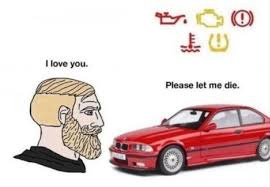
But it’s not fair to single out oncologists. ICU physicians keep people on life support in many cases where it seems like a cruelty. Family doctors treat nursing home patients (with life expectancies of a few months at most) with things like cholesterol-lowering drugs or bone-builders that are at best only useful in patients over several years. We don’t like to admit that someone’s time has come. Nobody dies of old age anymore. Instead, they die of a disease that – perhaps – the doctor didn’t treat aggressively enough.
Even more extreme and overt versions of wanting to cheat death have arrived. Biohacking or uploading your consciousness to the cloud. Maybe we can all live to 100, or 150, or forever? If only we can find the tech. If only we do enough research.
Mitch Albom in The Time Keeper wrote: “Soon man will count all his days, and then smaller segments of the day, and then smaller still—until the counting consumes him, and the wonder of the world he has been given is lost.“
In the end the desire to either live longer than was your fate or to end your life before your time are attempts to control life and death. We desire to become Gods, and be the unchallenged masters of our own destiny. But perhaps rather than spending so much time trying to control our lives, we should be living them to the fullest. That means taking what comes and making the most of it, rather than trying to control it.
Euthanasia and overly-aggressive treatment of clearly-dying patients are both about control. They are 2 sides of the same transhumanist coin.
Sunsets are beautiful

Some of the most beautiful and memorable times of our lives – the times that we will most cherish, and the times where our relationships are tested and deepened – happen around deathbeds.
Psalm 139:16 “All the days ordained for me were written in your book before one of them came to be”
For instance, one of my cancer patients died slowly. We kept him as comfortable as possible at home for months where he had a succession of visitors. He grew closer to his children and their families. He passed on stories, gave away precious keepsakes, answered questions about his parents and grandparents and family history. He brought to mind that saying “Whenever an old person dies, a library burns down”. My patient made sure to give away as many books as he could before the fire.
When he finally was too weak to manage at home, we brought him into hospital. His siblings were scattered around numerous provinces. They all came back home, together for the first time in many years. Two asked about euthanasia and I explained that it was not an option as he was now incompetent, and that it had not been his wish. I let them know that we could treat his pain and discomforts, and that this was their chance to say their good-byes.
They said their goodbyes and told him they loved him. They held his hand and moistened his lips. They told stories in his ear and for the first few days watched as he would break into a barely perceptible smile. Eventually he stopped eating and drinking altogether. Even when he didn’t react anymore they still talked to him. Only God knows how much he heard. They brought in photo albums and reminisced, told old stories and hugged and laughed and cried. They took turns going home and cooking group meals to bring to the hospital.
I thought he would last a handful of days at most. He set my record for such a patient by living for well over a week after his last drop of water. There were several times when he looked uncomfortable but they were rare and quickly cured with medication.
After he finally passed, one of his siblings said to me, even though she felt uncomfortable saying it, that the last week had been one of the most beautiful times of life for her and her siblings and family. It had brought them together and reconnected them. It made them realize how much they meant to each other. She said “I think he held on that long to keep us all here. He knew somehow.” God knows if she was right.
I have often thought about what would have been missed if that patient had chosen to be euthanized.
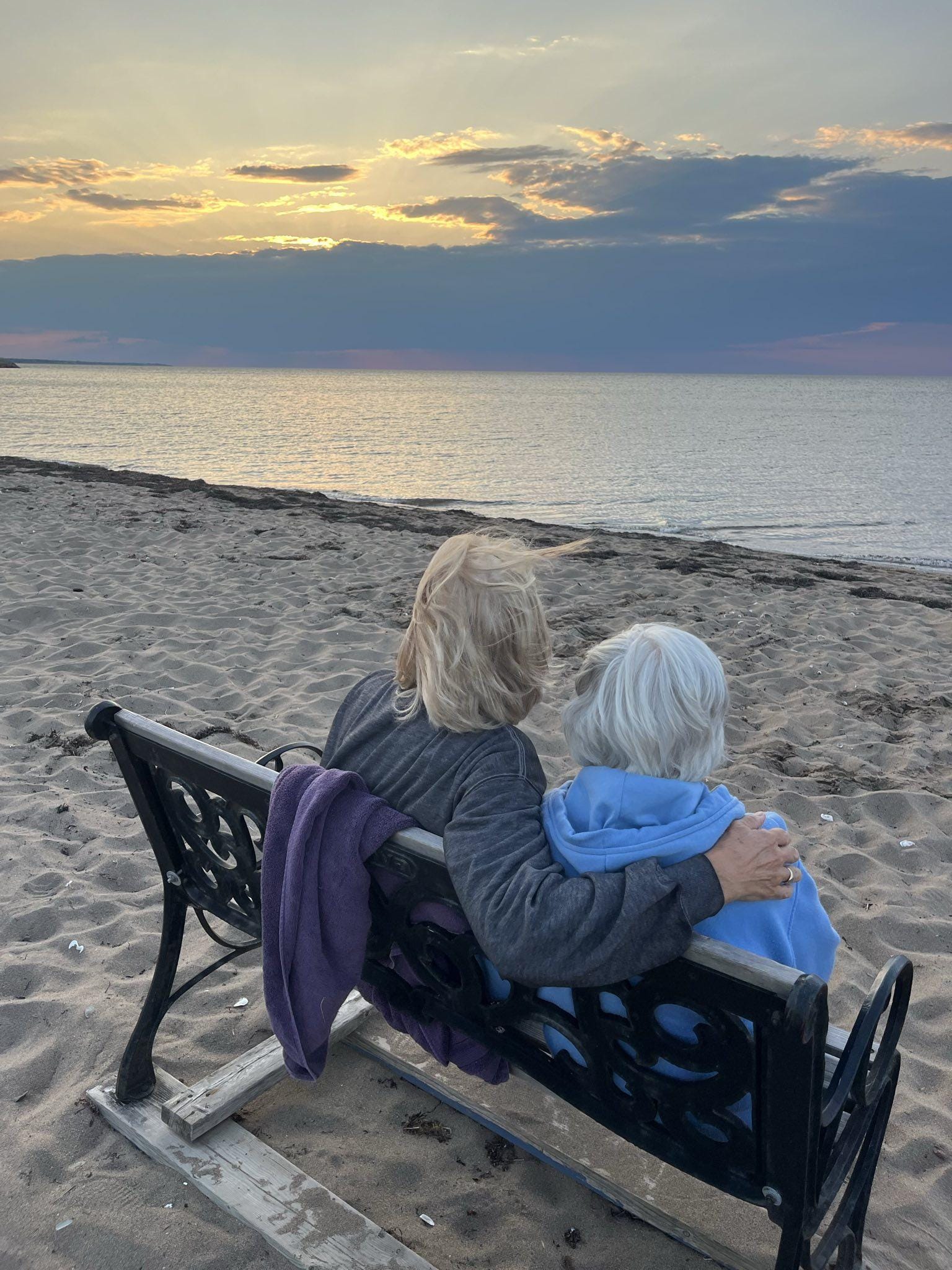
A sunset is often the most beautiful time of the day. My work has shown me that there is a beauty in dying just like there is a beauty in living. Euthanizing patients destroys that beauty.
Suicide is not the natural order of things
As Kevin Hines (see Julie’s Substack) discusses, suicide has “ripples”. It disturbs the natural order. Its consequences are like a shock wave that strikes wives, husbands, children, parents, friends, and the community. It is stigmatized for good reason: it is one of the worst things you could do to someone else. I’ve told patients considering suicide that it would be much less traumatic and destructive for their loved ones to hit them over the head with a baseball bat than to commit suicide.
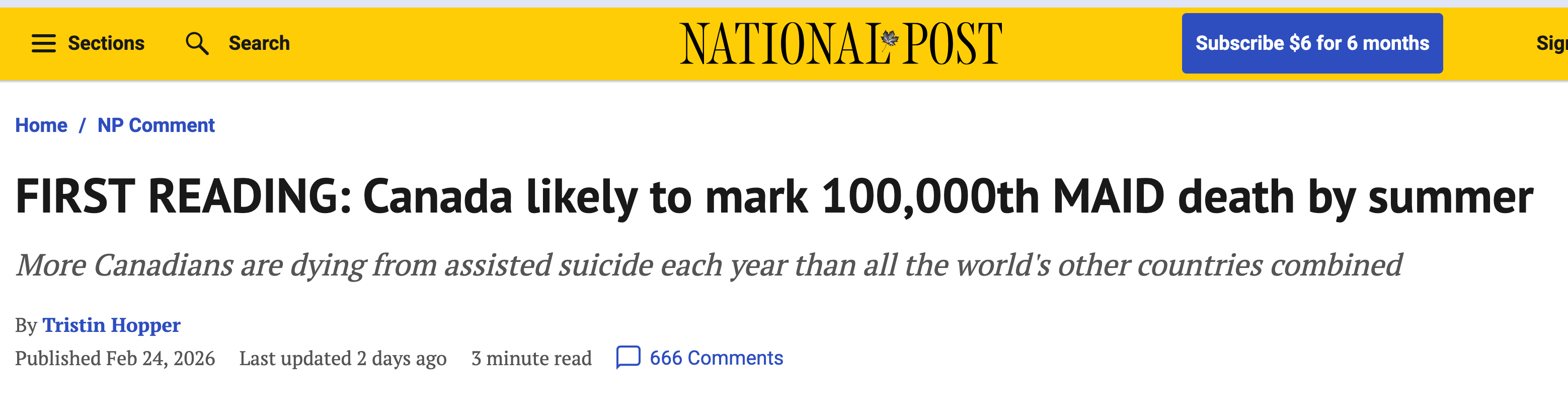
Life is not easy and it shouldn’t be. And choosing death over life should be even harder. But since the advent of MAiD, more and more are doing so as state-sanctioned suicide has sanitized, legitimized, and facilitated the process. The rise of MAiD is not a “success”. It is a tragedy.