Deadly Compassion
The extension of MAiD to the mentally ill will turn Canadian medicine into a death cult


It takes about four seconds to fall the 75 metres (245 feet) from the deck of the Golden Gate bridge to the water below. Roughly 95% of jumpers—travelling at a speed of about 120 km/hour when they hit—die of trauma on impact. At that speed, hitting water is like hitting concrete. Almost all of the remaining 5% are badly injured and die of drowning or hypothermia. Vanishingly few survive. About 2000 souls have made this leap since the bridge’s construction in the 1930’s. Its legendary lethality is part of its appeal for people desperate enough to want to die.
On September 25th, 2000, 19 year old Kevin Hines set out to become yet another of the Golden Gate’s grim statistics. The profoundly depressed young man took a bus to the bridge, walked out onto the deck and jumped. He had written a suicide note for his parents before leaving home. But against all odds, Kevin Hines survived to tell his story—and I was lucky enough to hear him tell it at a psychiatric conference a few years back.
I don’t recall any of the other talks I attended at that conference, but I’ll never forget Mr Hines’ story. He described the feeling of pushing off the bridge deck—and almost immediately regretting his decision. During the four seconds he spent falling, he prayed to be given another chance. He recounted how he hit the water, still alive, still conscious, then clawed his way to the surface, badly injured. He continued to pray. Then he felt something brush up against his leg. He recalled thinking that, after surviving the impact and making it to the surface against all odds, he was about to be eaten by a shark. But the thing he felt nudging him wasn’t a shark, it was a sea lion—and it stayed with him, pushing him to the surface every time his heavy clothing started to drag his broken body under. (He wasn’t just imagining this: witnesses on the bridge deck later confirmed seeing a sea lion circling around and under Mr. Hines). A Coast Guard rescue boat arrived much quicker than it normally would have because, incredibly, one of the witnesses who saw Mr Hines jump happened to have a friend who was on duty for the coast guard at the bridge that night and happened to have a car phone to call him.
After a long and arduous recovery, Kevin Hines went on to have a career as a popular speaker, writer and film-maker. Although he continued to struggle with his own mental and physical health, suicide prevention became his raison d’etre. And thank God for that.

Canadian Conservative Member of Parliament Andrew Lawton has a similar, if slightly less dramatic story. In the video below, he describes how he went through a “dark time” fifteen years ago, resulting in a nearly fatal suicide attempt by overdose. He explains how, in the midst of a serious and longstanding mental illness, he meticulously planned his own death, going so far as to pick a date and write it on his calendar. It seemed quite rational to him at the time—and probably would have seemed rational to a doctor or nurse practitioner had he tried to explain it to them. Not surprisingly, Andrew Lawton is one of the MP’s leading the charge in the fight against the extension of MAiD (Medical Assistance in Dying) to people whose sole diagnosis is a mental disorder, which is due to happen in Canada in March of 2027. As he shares in the video, he would likely be dead now if that option had been available to him in 2010. Like Kevin Hines, he is now very happy to be alive and has become a passionate advocate for suicide prevention. (Double click on the video to hear his story—it’s worth a listen).
A Brief history of MAiD in Canada
Euthanasia by request— euphemistically called Medical Assistance in Dying or “MAiD” — was first legalized in Canada in 2016. At first there were very strict limitations: a person had to have a “grievous and irremediable” medical condition as a result of which death was imminent. It was conceptualized as a way to ease the suffering of consenting adults in the final agonizing stages of a terminal illness—something to be resorted to only in exceptional cases. But almost immediately, MAiD became a popular way to die in Canada and the slippery slope many critics (including Chris) had warned about began to look more like a cliff we had jumped off. In 2021, criteria for MAiD were expanded to include any consenting adult with a “grievous and irremediable” medical condition, regardless of whether death was imminent or not—the so called “Track Two MAiD”.
People whose sole underlying condition is a mental illness were temporarily excluded from being able to access track two MAiD because of concerns that the system was “not ready to handle these requests.” That can has been kicked down the road a couple of times but if Conservatives like Andrew Lawton are not successful in their fight against it, the state will begin sanctioning the killing of the mentally ill in just over a year.
In 2023, a parliamentary report recommended the further extension of track one MAiD to “mature minors” — meaning children as young as 12 — as long as they were “deemed to have the requisite decision-making capacity.” Dr. Gordon Gubitz, neurologist and professor of medicine at Dalhousie University, chillingly noted that “the Canadian public may not be ready for track two MAiD for minors”. He recommended “a cautious, stepped approach.” (Or to put it more plainly: We need to control the slide down this slippery slope but we’ll make sure to get to the bottom in time.) But Bryan Salte, Associate Registrar and Legal Counsel for the College of Physicians and Surgeons of Saskatchewan, questioned the constitutionality of limiting MAiD for mature minors to track one. (In other words, don’t worry comrades, the plebs may not be on board, but once we get track one approved, we’re just one juicy lawsuit away from being able to put down depressed teens! Whether their parents like it or not!)
The government, thankfully, has not (yet) acted to extend MAiD to children, but mentally ill adults are due to be eligible for euthanasia in March of 2027.
As a psychiatrist, I find this idea terrifying for a number of reasons.
Why MAiD for the Mentally Ill is a Dangerous Demonic Idea
Although the far left Canadian Psychiatric Association has been working with the government to come up with guidelines around the implementation of MAiD for the mentally ill, a newer organization, the Society of Canadian Psychiatry, has injected some much needed sanity into the argument. Among other objections, they note that:
It is impossible to determine if a person’s mental illness is “irremediable.” Many people who seek MAiD might recover in time. In my 25 + years in this profession I’ve never once told a patient that their condition was hopeless. (See: Andrew Lawton)
Individuals with suicidal ideation as a symptom of mental illness cannot be differentiated from those seeking MAiD for mental illness. Bizarrely, the parliamentary committees are trying to come up with ways of distinguishing the psychiatric symptom of “suicidality” from the desire to die by MAiD as a result of a mental illness. It’s like trying to find the mathematical difference between six and half a dozen. (Then again, these are generally the same people who think big hairy men in dresses should be allowed in your teenage daughter’s locker room. Not the brightest bulbs on the ethics tree. But I digress.)
MAiD requests may be prompted by lack of access to care, or by poverty and other forms of social distress which are more common in the mentally ill. (We’ve seen cases like this already). People who are homeless, lonely, or financially distressed are much more likely to be depressed. Does that mean we should kill them if they ask?
Most psychiatrists—i.e., doctors who actually work with the mentally ill—are opposed to the expansion of MAiD to the mentally ill. Suicide prevention is the most profound and important thing we do as a profession. We regularly hospitalize people against their will to prevent them from harming themselves. We all know people who deeply regret their past attempts to kill themselves. How could this possibly be reconciled with helping people to kill themselves?
The official discussion around MAiD for the mentally ill has been led by activists, is not evidence based, and does not reflect the full range of opinions on the matter. It is of interest that the Soros Foundation has donated generously to several NGO’s which advocate for assisted suicide and euthanasia, and that the mainstream media has consistently been supportive of such programs, while rarely discussing dangers and downsides.
There are essentially no effective safeguards in place to protect people who are vulnerable because of mental illness and/or socio-economic circumstances (and who could, possibly, get better.)
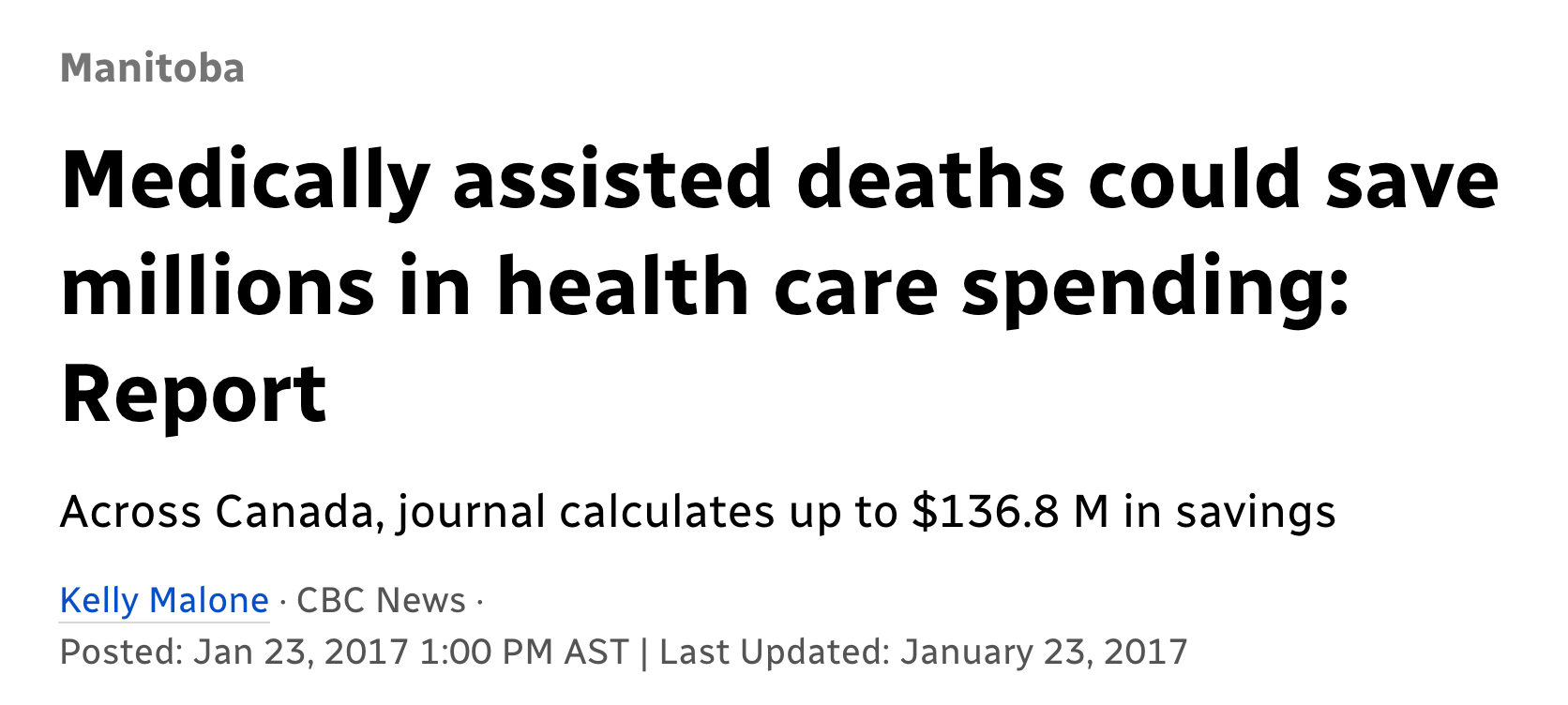
By now, we’ve all read MAiD horror stories in the media. People requesting (and receiving) MAiD because of inadequate housing. A woman coerced into MAiD because her caregiver husband felt burnt out. Veterans and others being offered MAiD rather than the help they need. A woman euthanized for obesity. The CBC cheerfully noting that MAiD is going to reduce the burden on the healthcare system and save us money. Tales of coercion (“you don’t want to be a burden, do you?”) Tales of doctor shopping.
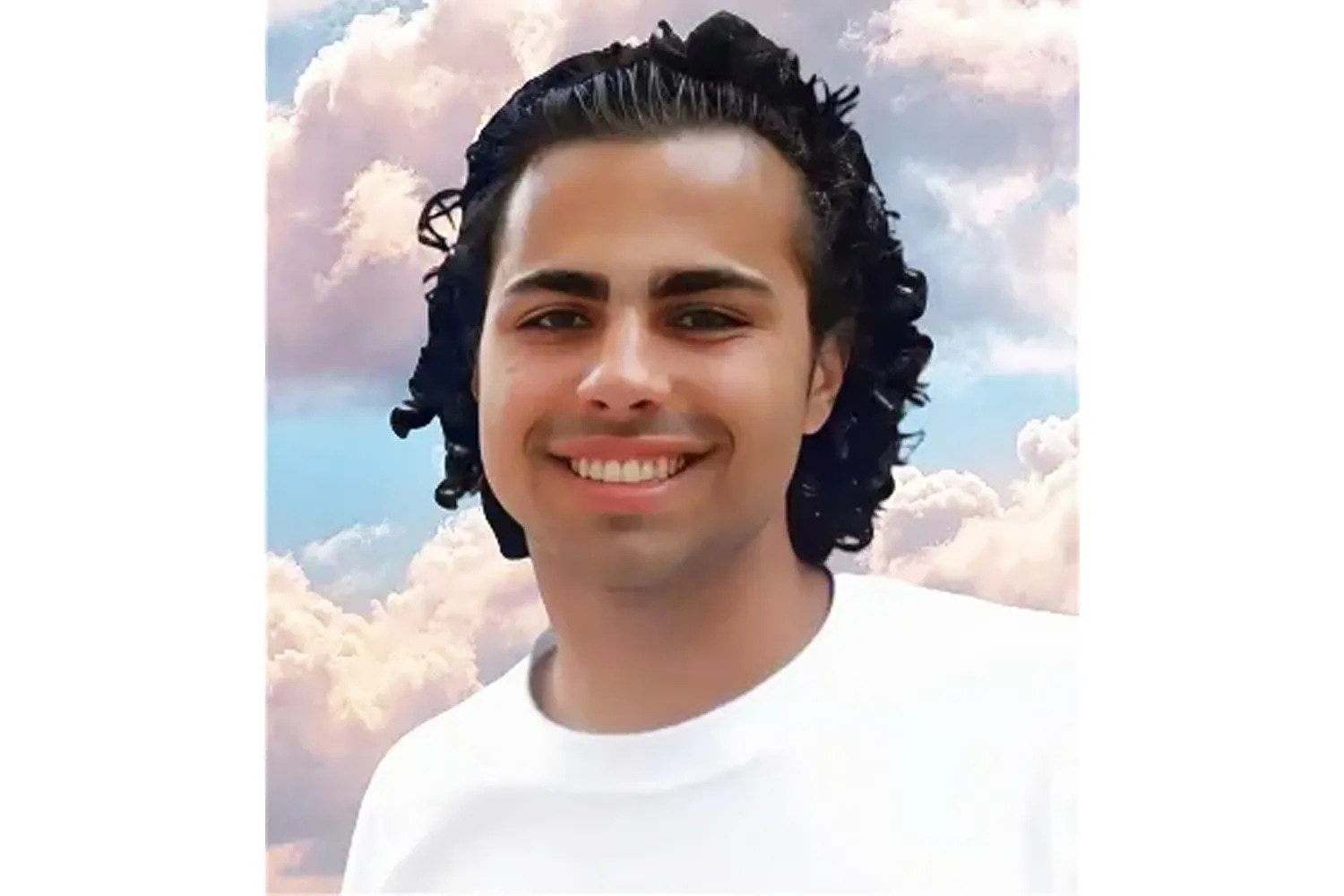
Take the recent case of 26 year old Kiano Vafaeian, who suffered from diabetes, partial blindness and depression. Having been repeatedly denied MAiD in his home province of Ontario, Vafaeian went doctor shopping out of province and was quickly approved by MAiD activist Dr. Ellen Wiebe in BC (the other part of whose practice happens to be facilitating medical abortions and birth control). He died on December 30th, 2025. His heartbroken mother, writing on social media, described her son’s death as “a failure of ethics, accountability, and humanity. No parent should ever have to bury their child because a system — and a doctor — chose death over care, help, or love.”
“We believe she (Dr. Wiebe) was coaching him in order for her to check off her own boxes to approve him,” his mother said.
How many Psychopaths Does it Take to Screw in a Lightbulb Turn Canadian Medicine into a Death Cult?
In 2000, 45 year old American physician Dr. Michael Swango was found guilty of murdering three patients in a Long Island hospital. Prosecutors believe he may have killed upwards of 60 patients (and more than a few of his colleagues) starting when he was in medical school.
His case has similarities to that of Harold Shipman, the English GP who was sent to prison….for murdering 15 of his patients and who is suspected of killing many more. In all of Shipman’s murders, and some of Swango’s, the method used was lethal injections. In both cases the doctors got away with their crimes over a long period—20 years in the case of Swango and possibly 30 in the case of Shipman.
At his trial, prosecutors read from Swango's diaries, which show him to have been a devotee of books such as The Torture Doctor and other thrillers in which doctors believed they had God-like powers over life and death. When asked for a motive, principal prosecutor assistant US attorney Gary Brown said: “Basically, Dr Swango liked to kill people.”
Only about 2% of Canadian physicians (and a smaller number of nurse practitioners) are “providers of MAiD.” Most of these practitioners go into the field of assisted suicide with good intentions—a desire to relieve suffering, to allow “death with dignity”, etc. I know some of these people and, although I disagree with them on this issue and could never do what they do, they seem like decent people.
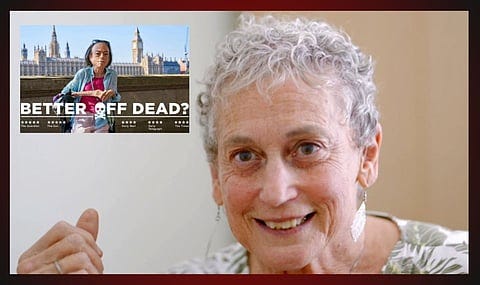
But then there are the zealots, like Dr. Wiebe, who giggles when she talks about the joy she takes in euthanizing people and the astonishing number of people she’s killed. The ones who describe MAiD as the most fulfilling part of their practice. The ones who portray the practice in quasi-religious terms and who push the legal boundaries in case after case. The ones who advocate for fewer and fewer restrictions, including extending MAiD to severely disabled babies. The ones who would be happy to start killing children and mentally ill people, if only the government would let them. The ones who make the hair on the back of your neck stand up when you hear them speak; who ask you, with a weird gleam in their eyes, whether you have any cancer patients on your roster who might be interested in their services. The ones who seem, like the murderous Dr. Swango, to enjoy killing people. Would you want these people interacting with your mentally ill loved one?
Because if I were their psychiatrist, I wouldn’t be able to protect them. I’d be compelled by the College of Physicians and Surgeons in the province I practice in (Nova Scotia) to refer your relative to the MAiD team for “assessment” at their request—or risk losing my medical license. Even if I believed the patient’s illness was treatable. Even if I believed they were cognitively impaired and exhibiting poor judgement as a result of their mental illness. There is no blood test or imaging study with which I could prove such things. It’s all clinical judgement. So, even if the whole thing went against my Christian values and even if the local MAiD team consisted of people who made my skin crawl, off your relative would go to their MAiD assessment—something which can be obtained more rapidly than life-saving medical treatments in many parts of Canada. And if the MAiD “experts” happened to feel differently about my patient’s prognosis and capacity to make treatment decisions? Well, let’s just say you wouldn’t want to buy them any green bananas.
Chris once had a colleague who filled in for him offer to make a 3 hour trip from his home to perform MAiD if “any of your patients want it”. He gushed about how he had started doing MAiD and it was “the most fulfilling part of [his] practice”. Have you ever heard a veterinarian say how much they love putting dogs down? Or an obstetrician expostulating on the joys of performing abortions? The very best take on MAiD is that it is sad but necessary. The worst take is that it it is a mortal sin.

What, I wonder, would have happened if circumstances had brought Dr. Swango to Canada in the 2020’s instead of New York in the 1990’s? Would he, instead of going to prison for the rest of his life, have ended up on CBC radio, bragging about his body count and pushing for the expansion of MAiD to children under the banner of social justice?
Every profession has a few psychopaths. They make up about 1% of the population. They move among us. And it would only take a few, interacting with vulnerable people (and, dare I say, influencing government policy) to wrack up a staggering body count in the ranks of the mentally ill.
But of course you don’t have to be a full-on psychopath to become a MAiD enthusiast. You just have to be a devoted nihilist and moral relativist like Dr. Jonathan Reggler, a family physician from Vancouver Island who is retired from regular practice but continues to provide MAiD. In a 2025 Atlantic Magazine article entitled “Canada is Killing Itself” Dr. Reggler explained that, although he’s sometimes uncomfortable killing people whose death is not imminent (i.e., track two patients) “Once you accept that life is not sacred and [not] something that can only be taken by God, a being I don’t believe in — then … some of us have to go forward and say, ‘We’ll do it’.”

This, as I noted in one of my previous posts, was precisely the same explanation Heinrich Himmler used to justify the Holocaust—which, by the way, started out as a euthanasia program aimed at ridding Germany of “lives not worthy of life” —primarily people with severe disabilities. Once you’ve given up on the Judeo-Christian idea that human beings are made in the image of God (and that, therefore, every human life has inherent worth) you’ve started down a dangerous path in which the only questions yet to be determined are “which lives are worthy of life?” and “who gets to decide?”
When I think about how we’ve arrived at this point in Canada, I can’t help thinking back to what Aleksandr Solzhenitsyn said in his 1983 Templeton Prize acceptance speech. He spoke about what had befallen Russia in the 20th century and what was just then beginning to threaten the West. “Over a half century ago, while I was still a child,” he said,
I recall hearing a number of old people offer the following explanation for the great disasters that had befallen Russia: “Men have forgotten God; that’s why all this has happened.” Since then I have spent well-nigh 50 years working on the history of our revolution; in the process I have read hundreds of books, collected hundreds of personal testimonies, and have already contributed eight volumes of my own toward the effort of clearing away the rubble left by that upheaval. But if I were asked today to formulate as concisely as possible the main cause of the ruinous revolution that swallowed up some 60 million of our people, I could not put it more accurately than to repeat: “Men have forgotten God; that’s why all this has happened.”
We instinctively know that killing—even killing oneself—is wrong, that life is precious and that we, as doctors, are sworn to preserve it to the best of our abilities. This is our most fundamental task. As a psychiatrist, my job is not to clamp torn blood vessels or treat deadly infections. My job, first and foremost, is to prevent suicide. This is how I save lives.
But why does this idea seem obvious to me? Thou shalt not kill. The idea that every human being is made in the image of God and as such, has inherent worth. These ideas would have seemed absurd to the ancient Romans, who routinely killed those deemed unworthy of life. The answer, as Nietzsche and Solzhenitsyn both saw, is that we in the modern secular West (even those of us who call ourselves atheists or agnostics) are still fish swimming in Christian waters. We still coast on the fumes of the old morality. But for how long?
As Nietzsche foresaw all too clearly, when the Christian foundation of Western culture crumbles—when “God is Dead” as he put it—pre-Christian pagan values, which have dominated most cultures across history and around the world, will begin to reassert themselves.
So, to paraphrase Solzhenitsyn, if I were asked today to formulate as concisely as possible the main cause of the ever-expanding scope of MAiD and the descent of Canadian medicine into what looks (to me) like a death cult, I could not put it more accurately than to repeat: “Men have forgotten God; that’s why all this has happened.”
Thank you, PAIRODOCS, for writing about this horror. Here is a link to a cartoon I did about MAiD over four years ago. How chilling that this program is going strong in killing vulnerable people who need a helping hand, not a death sentence! Feel free to use this cartoon if you think it will help spread the word about MAiD. https://open.substack.com/pub/annecantstandit/p/maid-in-canada?utm_campaign=post-expanded-share&utm_medium=web
Thank you for being willing to speak openly about this. I agree that MAiD should not be expanded to mental illness.
The core issue is clinical and ethical: psychiatry cannot reliably determine that a condition is truly “irremediable,” and it is not realistically possible to separate a MAiD request from suicidality when someone is suffering, destabilized, or impaired by trauma, depression, or fear.
What often gets missed in this debate is that many MAiD requests for mental illness are not driven by a stable desire for death. They are driven by desperation — long waitlists, lack of trauma-informed care, financial instability, poverty, isolation, unsafe environments, and fear of deterioration with no meaningful support.
When MAiD becomes the most accessible option while treatment and stability remain out of reach, that isn’t autonomy. It’s coercion by circumstance.
A society should not offer death faster than it offers care.